
naano
naano
The B2B LinkedIn creator marketplace
Browse all creators
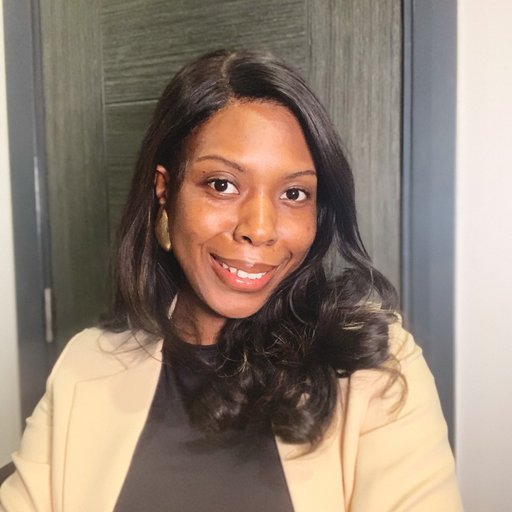
Oghenetejiri Aganbi

Oghenetejiri Aganbi

Project Manager | Responsible AI Delivery & Governance | Helping teams translate AI ambition into safe, practical execution

GBAIProductivityFintech
Available to book
5.7K
Followers
320
Est. median reach
0.1%
Engagement

About

AIProductivityFintech

Audience & average metrics

5.7K
Followers
320
Est. median reach
3
Avg reactions
1
Avg comments
0.1%
Engagement
GB
Based in

Stats updated 16 d ago

Recent posts

text

A friend recently told me something that stayed with me: “ChatGPT has made me brilliant at planning but worse at executing.” She could create detailed strategies, polished schedules and comprehensive action plans in minutes. But instead of making progress, she felt paralysed by all the possibilities. I think this is becoming one of the less-discussed risks of AI. AI can help us think faster, explore more options and produce better plans. But planning can also create the feeling of progress without the discomfort of actually doing the work. As a project manager—and in my personal life—I use four simple practices to stop planning from replacing execution: 1. Set a planning deadline I give planning a fixed amount of time. When the time is up, I make the best decision available and move. A good-enough plan in motion usually beats a perfect plan that never starts. 2. Identify the next physical action Not “work on the project.” Not “develop the strategy.” What is the next visible action? Send the email. Open the document. Book the meeting. Draft the first paragraph. Clarity at this level makes starting much easier. 3. Reduce the plan to three outcomes Long task lists make everything feel equally important. I ask: “What are the three things that would make today successful?” Anything beyond those three is optional until the important work is complete. 4. Review evidence, not intentions At the end of the day or week, I do not ask whether I felt productive. I ask: What did I finish? What changed because of my work? What is now unblocked? AI is an excellent thinking partner. But it cannot take responsibility for the moment when thinking must stop and action must begin. The goal is not to become better at producing plans. The goal is to produce results. How do you make sure planning does not become a substitute for execution? #AIProductivity #PlanningParalysis #GettingThingsDone #ProjectManagement

32
text

Friday reminder: You probably do not need another course, another saved post or another detailed plan. You may already know enough to begin. Build the imperfect agent. Run the small workshop. Test the idea. Solve one real problem. Share the first version. AI has made knowledge easier to access. What will separate people now is what they do with it. Action builds evidence, judgement and confidence. So before this week ends, take one idea out of your notes and put it into the real world. It does not need to be perfect. It just needs to exist. What will you start before Monday? #ArtificialIntelligence #CareerGrowth #LearningByDoing #ProfessionalDevelopment #FridayMotivation

32
text

Hot take: It is going to be difficult to stay loyal to one AI work platform. I’ve spent the past few days testing ChatGPT Work and Claude Cowork side by side. Not just asking them questions. Giving them actual work to complete. Research. Documents. Multi-step tasks. Connected tools. Finished outputs. And although they are moving towards a similar promise, the experience does not feel the same. ChatGPT Work feels more proactive. It connects information across tools, anticipates what may be needed next and keeps pushing the task towards completion. Claude Cowork feels more collaborative. It asks thoughtful questions, makes its approach easier to follow and gives me more opportunities to shape the work as it develops. One feels more like: “Give me the goal and I’ll start moving.” The other feels more like: “Let’s think this through properly before we move.” Both have impressed me. Both also have weaknesses. So my approach now is simple: → Give important tasks to more than one platform → Compare how each interprets the problem → Use each one for what it does best → Keep testing, because today’s weakness may be fixed tomorrow The real advantage will belong to people who can work confidently across all platforms. Have you tried ChatGPT Work and Claude Cowork yet? Which working style do you prefer: proactive execution or visible collaboration? #ArtificialIntelligence #FutureOfWork #AIProductivity #ChatGPT #ClaudeAI

50
text

You’ve just been told: “We want to use AI.” As an AI project manager, your first job is not to start discussing models, vendors, or tools. Your job is to slow the conversation down. Because “we want to use AI” is not yet a project. It is an idea, an assumption, or sometimes just pressure to keep up. A strong discovery session helps stakeholders move from enthusiasm to clarity. Here is a simple structure you can use: 1. What problem are we solving, and why does it matter now? 2. How is the work currently done? 3. Who is involved, affected, or responsible? 4. What data exists, and is it usable? 5. Is AI actually appropriate for this problem? 6. What risks, constraints, or concerns should we consider? 7. What would success look like, and how would we measure it? 8. What would implementation require? Notice the order. You do not begin with AI. You begin with the problem, the people, the process, and the data. Only then do you assess whether AI is the right solution. The most important skill in discovery is disciplined curiosity. You are not there to impress stakeholders by knowing everything. You are there to uncover facts, expose assumptions, identify gaps, and ask the questions others may be avoiding. A useful mindset to carry into every session: Leave understanding the problem better than when you walked in. That is what good AI project discovery looks like. #AIProjectManagement #AIDiscovery #StakeholderEngagement #AIImplementation #DigitalTransformation

11
text

Over the past few weeks, I’ve had a few conversations with charities, SMEs, and small teams trying to figure out what AI means for them. And one thing is clear: there is a lot of pressure to “have an AI strategy.” But I think the better starting point is not necessarily AI strategy. It is business strategy. What are you trying to achieve? Who are you serving? What do your customers, beneficiaries, or users actually need? What workflows are working? What is slowing your team down? Where are people spending too much time on repetitive tasks? Once that is clear, then AI becomes much easier to think about. Not as the main strategy, but as an enabler. AI agents, automation, chatbots, data tools, and other technologies should support the direction of the business or organisation. They should not become the direction. So before rushing to “do AI,” take a step back. Understand the work. Understand the people. Understand the gaps. Then use AI where it genuinely helps. #AIForBusiness #SMEs #Charities #BusinessStrategy #DigitalTransformation #Automation #AIAgents

42

Who engages with you

Who likes and comments on this creator's posts, inferred from their LinkedIn titles.

By seniority
Founder / C-level33%
Manager / Lead67%
By function
Engineering / Data 78%Finance / VC 11%Founders 11%

Pricing

102 €
Price per post
Book a post
Oghenetejiri Aganbi

Want to work with Oghenetejiri Aganbi?

Book this creator for a LinkedIn post on Naano - fixed price, you keep full creative alignment, they keep their voice.

Fixed price per post Keeps their authentic voice Booked & paid on Naano
Get started on Naano
naano

What is Naano

Naano is the B2B LinkedIn creator marketplace: companies discover and book vetted creators, from niche voices with around 1,000 followers to established names with hundreds of thousands, for sponsored LinkedIn posts. Brands brief creators, creators publish authentic posts in their own voice, and every post is booked at a fixed price shown upfront.

Flat fee per post

Book a creator at the fixed price on their offer, shown with deliverables before you commit. No retainer.

Tracked results

Every post carries tracked links, so you see the clicks and leads each creator drives. The price stays fixed per post - no cost per click.

Browse all creators